When a child is diagnosed with cancer, life can quickly become a whirlwind of hospital appointments, medications and uncertainty. For many families, it can also feel incredibly isolating.
That is where the Clinical Nurse Specialist (CNS) team at Helen & Douglas House come in.
The CNS team works alongside children and young people with cancer across the Thames Valley, helping them manage symptoms, navigate challenges and access the wider support available through Helen & Douglas House. Most importantly, they help children keep doing the things they love, enabling them to enjoy their childhood despite the challenges of a cancer diagnosis.
As Clinical Nurse Specialist Rhian Simmons said: "Our job is to make sure that you and your child are well supported and that you can carry on living well, even with an oncology diagnosis."
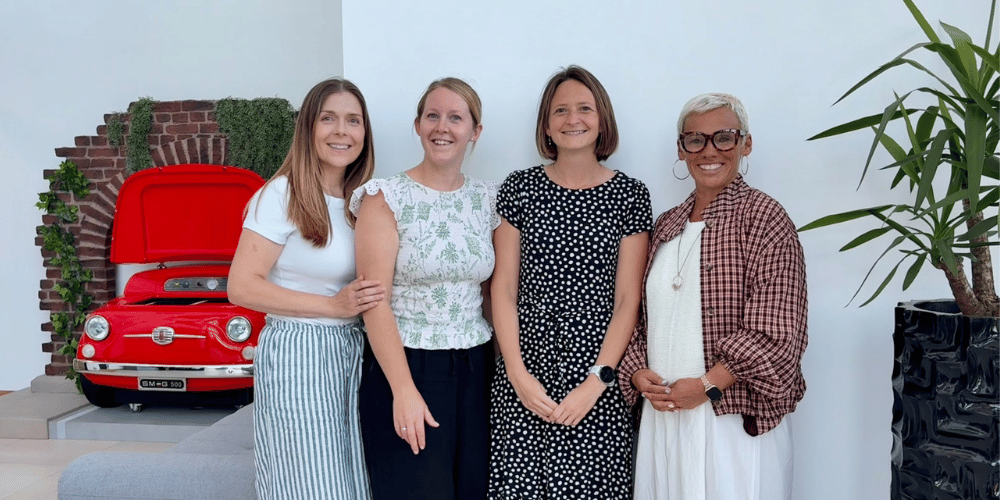
Meet Rhian and the CNS Team
Rhian has worked at Helen & Douglas House since 2015 and is now one of six Clinical Nurse Specialists forming part of the new COSMIC service.
COSMIC stands for Children's Outreach Symptom Management in Collaboration, reflecting the team's focus on specialist symptom management and working closely with hospitals, community teams, schools and families.
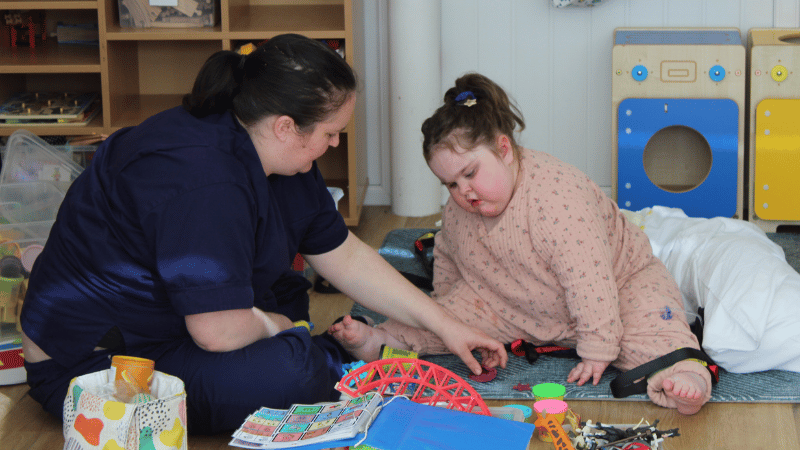
While children's cancer care is led by specialist oncology teams, the CNS team from the hospice provides an additional layer of support, helping families manage life beyond the hospital walls. But their role goes far beyond medical care.
Rhian said: "I'm not just going and focusing on a child's cancer diagnosis. I'm looking at what else is going on for the family."
That might mean supporting a sibling who is struggling emotionally, arranging counselling for parents, connecting grandparents with support services, or simply making sure a family has someone to call when they need reassurance. We spoke with Rhian about her role as a Clinical Nurse Specialist at Helen & Douglas House and the support she provides to children with cancer and their families.
- A typical day
- Coming to Helen & Douglas House
- The support families don't realise is available
- Helping children live life to the full
No two days are ever the same.
Each morning begins with a team huddle, where the CNS team reviews referrals, plans home visits, discusses urgent needs and coordinates support with consultants, GPs and local healthcare teams.
Much of the work happens behind the scenes. The team spends time arranging medication, coordinating care between services and making sure families can access the support they need without having to chase multiple professionals themselves.
The most rewarding part, however, is spending time with children and families.
"The really lovely bit is going out and seeing children in their own homes."
Whether a child is at home, in hospital or at school, the CNS team meets them where they are most comfortable.
One message came through again and again during our conversation with Rhian.
Many families tell the team:
"I wish we'd known you sooner. I wish we'd come sooner."
The biggest barrier is often the word hospice. For many parents, hearing that word can feel frightening.
Rhian understands those concerns but wants families to know there is so much more to Helen & Douglas House.
"Helen and Douglas House is place where families can come together and children can be children. I always say to families, yes, we are called a hospice, but that often doesn’t mean what people think it does. We work together with children, their families and other teams to focus on what is important to them.”
In fact, many children and young people use Helen & Douglas House for support while continuing treatment, going to school spending time with friends and planning for the future.
When Rhian first meets a family, she's often introducing them to services they never knew existed.
Alongside specialist nursing support, children and families can access:
- Sibling support and sibling clubs
- Counselling and emotional support
- Complementary therapies and massage
- Pet therapy
- Family events and activities
- Youth and transition programmes
- Peer support opportunities
- Specialist symptom management
- 24-hour telephone support
- Home visits from nurses, therapists and consultants when needed
For teenagers in particular, opportunities to meet other young people facing similar challenges can be life-changing.
Cancer treatment can affect appearance, confidence and friendships. Having a place where young people feel understood by others experiencing similar things can be invaluable.
As Rhian puts it: "We provide that chance where they can just be a teenager."
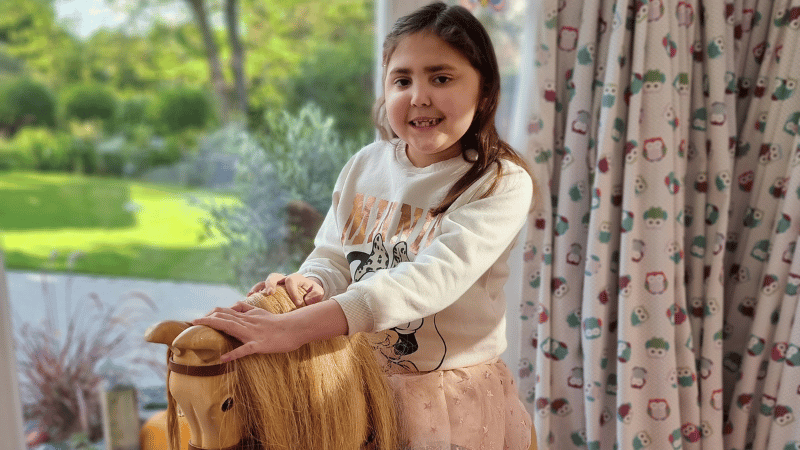
One of the team's biggest priorities is helping children with cancer continue doing the things that matter most to them.
For some, that means getting back to school. For others, it means spending more time at home, seeing friends or taking part in activities they love.
The team works closely with schools, healthcare professionals and therapists to make those goals possible.
"It's about understanding what their goals are and who's best placed to support that."
The difference early support can make
Sometimes families need support for many years. Other times, a relatively short intervention can make a huge difference.
Rhian remembers one young person with a brain tumour whose family was initially hesitant to engage with hospice services. After receiving specialist support to manage difficult symptoms and a short symptom-management stay in the hospice, the family felt much more confident and didn't require ongoing involvement.
In another example, the CNS team supported a young person experiencing severe pain at home. By visiting alongside a Helen & Douglas House physiotherapist, coordinating with hospital teams and arranging further investigations, they were able to ensure she received the care she needed without unnecessary delays.
These examples reflect something families tell the team time and again: having someone who understands, responds quickly and takes the time to listen makes a huge difference.
Why Rhian encourages families to come sooner
For Rhian, the greatest benefit of early involvement is simple. It gives families more options. More opportunities to build relationships. More access to support. More chances to connect with other families. And more opportunities to focus on living, rather than simply coping.
"By engaging with services sooner, it helps us build a rapport so we can offer our full complement of services."
The team is there whenever families need them, whether that's a quick piece of advice, a home visit, counselling support, a sibling group or simply someone to pick up the phone in the middle of the night.
As Rhian says: "Having that same level of support and feeling held at home is what we aim to provide."
If there is one message Rhian hopes families take away, it is this:
Helen & Douglas House is a place full of hope. It is about helping children and families make the most of life, whatever lies ahead.
Many of the children Rhian and her team support recover well from their cancer after having treatment. For children whose treatment isn’t successful, the team continue to provide care for them and their family as they approach the end of their life, whether that is at home, in a hospital or at the hospice.
“We support children with cancer to live as well as possible, throughout their treatment and beyond, and if and when needed, we continue to care for them through the child’s death and then support the family afterwards. For families facing childhood cancer, that support can be transformational. The challenge is not convincing families that they need it. It's helping them discover it sooner.”